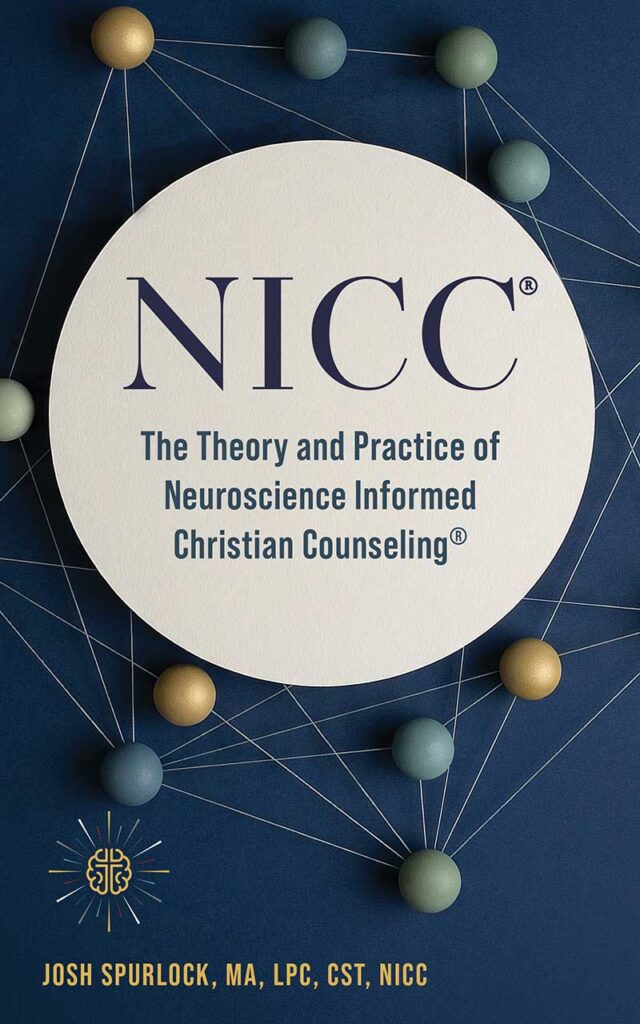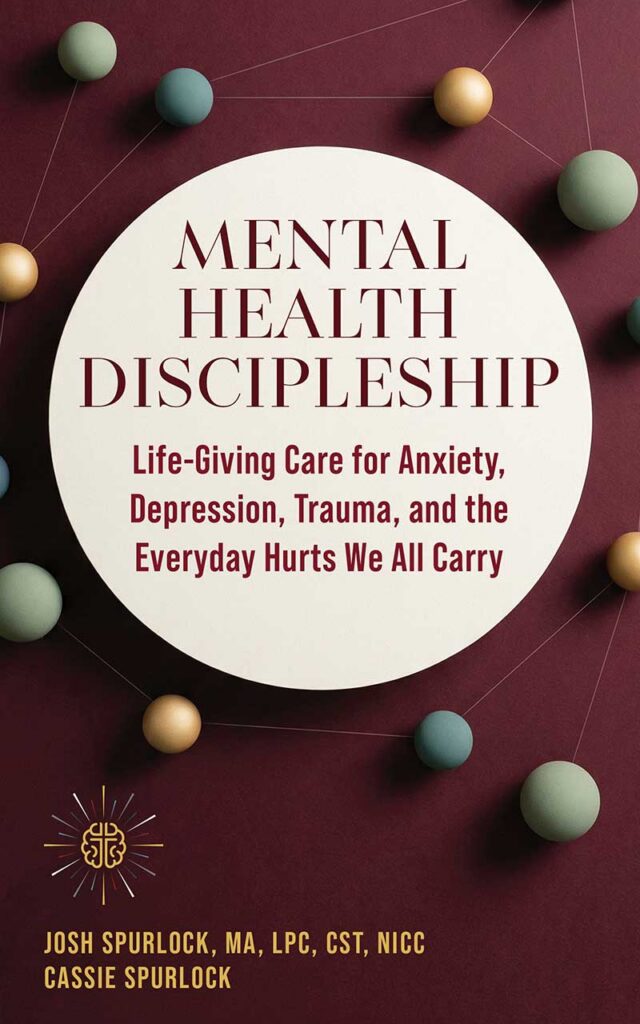
Neuroscience Informed Christian Counseling® (NICC) integrates evidence-based clinical practice with a robust Christian understanding of healing, formation, and transformation. This is not about adding Scripture to therapy or psychology to ministry—it’s about learning how God designed the brain, the nervous system, and the soul to heal together.
NICC is grounded in neuroscience, attachment theory, and trauma-informed care. Practitioners are trained to think clearly, work skillfully, and engage complex cases with a framework that goes beyond symptom management toward lasting change.

We believe the Holy Spirit is the ultimate healer. Scripture shapes how we understand people, suffering, and growth, and every space of care is treated as sacred ground—where wisdom, presence, and discernment matter as much as technique.
We value deep, evidence-based therapy grounded in neuroscience, attachment, and trauma-informed care. Our counselors are trained to think critically, practice skillfully, and pursue mastery.
We believe the Holy Spirit is the ultimate healer. Scripture guides our understanding of people, pain, and transformation—and every session is a sacred space where Jesus meets the hurting.
If you work in care or ministry, you’ve likely felt this tension firsthand. One world asks you to leave your faith at the door. The other offers spiritual answers that don’t fully account for the brain, trauma, or emotional development. Caught in between, many are left feeling uncertain, under-equipped, and alone. Does this sound like you?
If you’re looking for a clinically sound way to integrate faith into your professional practice, NICC was created for you. This pathway offers a clear, integrated model—along with training, supervision, and formation—so you can develop the clarity and confidence needed for complex clinical work.
If you’re leading or serving in a church and feeling the weight of care without enough tools, NICC invites you into a better way. This pathway equips pastors and care teams with language, structure, and formation to walk with people through complex emotional and spiritual challenges.
The NICC model has been shaped and refined in real-world clinical and ministry settings.
Josh Spurlock is the developer of Neuroscience Informed Christian Counseling® and the founder of MyCounselor.Online, where the NICC model was shaped through decades of clinical practice and outcomes-based refinement.
Originally developed as a two-year clinical residency for Josh’s own counselors, NICC matured through real-world application and measurable results. In a 2024 study of 1,211 clients, 93.6% reported a successful outcome after completing NICC care—a result that is virtually unheard of in the mental health field, where 70% is considered average and 80% is excellent.
Today, MyCounselor.Online serves over 1,000 families each month. As demand grew, churches, counselors, group practices, and ministry leaders began asking for access to the model behind the results. The NICC Institute exists to make that proven framework available with the formation and supervision required to use it well.
Core resources for personal growth, professional formation, and faith-based care.
Join ongoing conversations about faith, neuroscience, and real-world care. Each episode invites you into the heart of the NICC model—how people heal, how confident care is formed over time, and how faith and science belong together in the work of restoration.
Most graduate programs teach theory but leave clinicians to figure out application on their own. Many counselors leave school unsure whether they’re truly helping, carrying complex cases without enough support, supervision, or a coherent framework.
The NICC professional pathway was created to address that gap. This is post-graduate formation—designed to develop clinical judgment, confidence, and presence over time through structured learning, supervised practice, and community. Rather than adding another technique, NICC shapes how you think, discern, and respond with people in pain.
Key elements include:
Pastors and ministry leaders are increasingly carrying mental health questions they were never trained to answer. Care teams want to help, but prayer alone can feel insufficient, and graduate school isn’t realistic for most staff or volunteers. The result is uncertainty, fatigue, and a quiet fear of saying the wrong thing—or doing harm.
The NICC church pathway was created to serve this gap. It equips pastors, ministry staff, and lay care teams with a clinically informed, faith-honoring framework for care. Through structured training and guided formation, churches gain shared language, wiser discernment, and practical tools for walking with people through anxiety, depression, trauma, and relational pain.